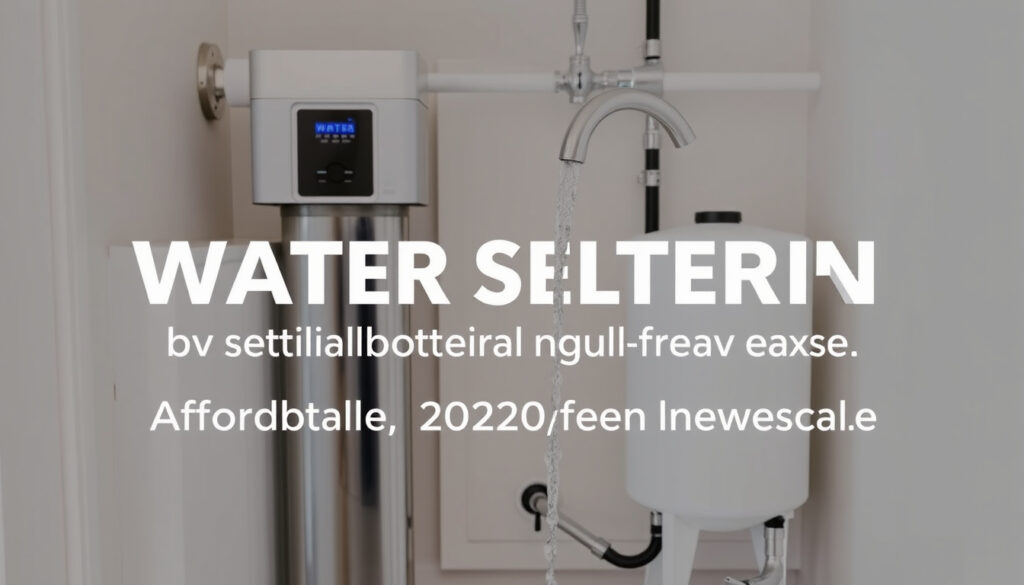
Water Softener System Cost – 2025 Prices, Installation and Savings
Water softener systems represent a significant household investment, with costs ranging widely based on technology type, installation requirements, and ongoing maintenance needs. Homeowners evaluating this purchase face a complex landscape of pricing variables, from upfront equipment costs to long-term operational expenses. Understanding these cost components helps consumers make informed decisions that balance initial budget constraints against lifetime value and water quality improvements.
The market offers two primary categories of water treatment systems: traditional salt-based ion-exchange softeners and salt-free conditioning alternatives. Each approach carries distinct pricing structures, maintenance demands, and effectiveness profiles that directly influence total cost of ownership over a system’s lifespan.
How Much Does a Water Softener System Cost?
Whole-house water softener systems in 2025 typically cost between $1,000 and $3,000 including installation for most residential applications. Traditional salt-based models range from $400 to $3,000 upfront, while salt-free systems command $500 to $4,000 depending on capacity and features. Premium setups with advanced functionality can reach $7,000 when accounting for installation complexity.
Key factors driving these price variations include the system’s grain capacity rating, which must match household size and water hardness levels. Larger families in areas with severe hard water require higher-capacity units capable of processing greater water volumes before regeneration cycles.
- Salt-based systems offer superior mineral removal at lower initial cost but require ongoing salt purchases and regular maintenance attention
- Salt-free alternatives cost more upfront with virtually no recurring operational expenses beyond occasional filter replacement
- Dual-tank configurations for high-usage households range from $1,000 to $5,000, providing continuous soft water during regeneration cycles
- Reverse osmosis add-on systems for extreme hardness conditions add $100 to $1,000 or more depending on specifications
- Regional pricing variations occur in hard-water prevalent areas like the Midwest and Southwest United States
- Local plumbing complexity directly impacts installation costs, with older homes often requiring additional modifications
Salt-based ion-exchange systems dominate the market with upfront costs between $400 and $3,000, while salt-free conditioners range from $500 to $4,000. Professional installation typically adds $1,000 to $3,000 regardless of system type.
| Cost Category | Low End | Average | High End |
|---|---|---|---|
| Salt-Based Unit | $400 | $1,200 | $3,000 |
| Salt-Free Unit | $500 | $1,500 | $4,000 |
| Professional Installation | $1,000 | $1,500 | $3,000 |
| Annual Salt Refills | $40 | $100 | $300 |
| Total First-Year (Salt-Based) | $1,200 | $1,500 | $4,500 |
| Total First-Year (Salt-Free) | $800 | $1,200 | $4,000 |
Comparing Salt-Based and Salt-Free System Costs
Salt-based ion-exchange systems have lower purchase prices but generate ongoing expenses through salt refills, electricity consumption, and water waste during regeneration cycles. Annual maintenance for these units ranges from $100 to $600, covering salt purchases at $7 to $10 per 40-pound bag, with most households requiring monthly refills.
Salt-free water conditioners prevent scale buildup rather than removing dissolved minerals entirely. These systems eliminate salt purchases, wastewater discharge, and electricity requirements, reducing annual costs to near zero beyond occasional filter changes. The trade-off involves reduced effectiveness for severe hard water conditions and the absence of true water softening.
What Is the Cost to Install a Water Softener?
Professional installation costs for whole-house water softener systems typically range from $1,000 to $3,000 based on home size, pipe accessibility, and plumbing complexity. This labor cost applies consistently across both salt-based and salt-free system types, as both require similar plumbing modifications including connection to the main water supply line, drain line installation, and electrical hookup for regeneration controls.
Professional Versus DIY Installation
Industry sources consistently recommend professional installation for whole-house water softener systems due to the technical requirements involved. Lifesource Water notes that these installations require proper drain line connections, electrical work, and precise plumbing modifications that typically exceed DIY capabilities. Professional installation also protects manufacturer warranties that may be voided by improper self-installation.
Complex home plumbing configurations, including older piping systems, limited mechanical space, or non-standard water meter placements, can push installation costs toward the higher end of the range. Homes requiring additional piping modifications, electrical upgrades, or specialized fittings should budget accordingly.
Installation expenses increase based on distance from the main water entry point, need for pipe rerouting, basement accessibility, and local permit requirements. Obtaining multiple quotes from licensed plumbers helps identify accurate pricing for specific home configurations.
Regional Installation Considerations
Areas with historically hard water, particularly regions in the Midwest and Southwest United States, often have more established contractor networks familiar with water softening systems. This familiarity can result in more competitive pricing, though demand in these areas may offset some savings. Some eco-sensitive regions have implemented regulations restricting salt-based systems, potentially limiting options and affecting overall costs.
Are Water Softeners Worth the Cost?
Return on investment calculations for water softener systems consider both tangible and intangible benefits. Quality Water Treatment analysis indicates that homeowners can recover approximately $600 annually through reduced plumbing repairs, extended appliance lifespan, and decreased soap and detergent consumption—often achieving 50% savings on cleaning products.
Calculating Long-Term Value
Salt-free systems demonstrate particular value over extended periods by eliminating $300 to $600 annually in salt costs alone. When combined with zero electricity consumption and minimal maintenance requirements, these systems often achieve better lifetime cost profiles despite higher initial purchase prices. Industry trends increasingly favor salt-free technology for its operational efficiency and environmental benefits.
The effectiveness of any water softener investment depends heavily on local water conditions. Homes with extremely hard water see faster payback through appliance and plumbing savings, while moderate hard water areas may experience longer return periods that require careful evaluation against other home improvement priorities.
Factors That Determine Actual Value
Water hardness levels directly influence the economic case for water softening systems. Households experiencing severe scale buildup on fixtures, premature water heater failure, or excessive soap consumption will see faster returns than those with moderate hardness. Additionally, household size affects both the required system capacity and the volume of soaps and detergents that can be reduced through softened water.
The decision between salt-based and salt-free systems involves balancing effectiveness against maintenance burden. Angi’s comparison notes that salt-based systems fully remove dissolved minerals, making them essential for households with very hard water, while salt-free alternatives suit those prioritizing convenience and mineral retention for dietary preferences.
How Much Does Water Softener Maintenance and Replacement Cost?
Maintenance requirements differ substantially between system types, creating divergent cost trajectories over a water softener’s operational life. Homeowners should factor these ongoing expenses into their purchasing decisions alongside initial equipment and installation costs.
Salt-Based System Maintenance
Traditional ion-exchange softeners require regular attention to function effectively. Salt refills represent the most frequent maintenance task, with 40-pound bags costing $7 to $10 and most households requiring monthly purchases. RKIN’s guide estimates total annual maintenance expenses between $100 and $600 when accounting for salt, electricity, and occasional service calls.
Beyond salt replenishment, these systems require periodic resin bed cleaning, valve inspection, and occasional parts replacement. Salt-based systems also carry pipe corrosion risks if improperly maintained, potentially creating additional repair expenses that offset expected savings.
Salt-Free System Maintenance
Salt-free water conditioners offer dramatically reduced maintenance demands, functioning essentially without ongoing attention beyond occasional filter changes. NuvoH2O analysis identifies filter changes as the primary maintenance task, with these systems designed to operate for extended periods without salt refills, regeneration cycles, or electrical consumption. For more information on the meaning of “Habibi,” Què significa Habibi.
Replacement and Lifespan Considerations
Both system types typically last 10 to 20 years, with salt-free units potentially exceeding this range due to simpler designs with fewer moving components. Replacement costs follow initial purchase patterns, though homeowners should anticipate potential pricing changes, technology improvements, and modified availability over multi-decade timeframes. The average whole house water filters investment should account for eventual system replacement as part of total ownership costs.
What Does the Cost Timeline Look Like?
Understanding the financial commitment over a water softener’s lifespan helps homeowners budget appropriately and compare options effectively. The following timeline illustrates typical cost milestones regardless of system type chosen.
- Year 0: Initial purchase and professional installation represents the largest single expense, typically ranging from $1,500 to $7,000 depending on system selection and plumbing requirements
- Monthly: Salt-based systems require ongoing salt purchases averaging $7 to $10 per 40-pound bag, while salt-free systems generate no regular consumable expenses
- Year 3-5: Salt-based systems may require resin bed cleaning or regeneration service, typically included in professional maintenance contracts or costing $100 to $300 for standalone service
- Year 5-10: Potential valve replacement or electronic control module repair for salt-based systems, generally ranging from $100 to $400 depending on system age and availability
- Year 10-20: Full system replacement becomes necessary, with costs following then-current market prices for comparable technology
What Is Known and Uncertain About Water Softener Costs?
| Established Information | Uncertain or Variable Factors |
|---|---|
| National average purchase prices by system type from multiple industry sources | Local labor rates vary 20-50% depending on region and contractor availability |
| Annual salt costs based on typical household consumption patterns | Future salt prices fluctuate with commodity markets and manufacturing costs |
| Professional installation cost ranges from contractor data | Specific DIY cost savings are not well-documented in industry literature |
| System lifespans of 10-20 years based on manufacturer specifications | 2025-specific price inflation forecasts not available from sources reviewed |
Why Do Water Softener Prices Vary?
Multiple factors influence water softener pricing beyond basic technology differences. Understanding these variables helps homeowners evaluate quotes accurately and avoid overpaying for unnecessary capacity or features.
System capacity, measured in grains per day, must match household water consumption and incoming water hardness. Larger homes with multiple bathrooms and higher occupancy require greater capacity units that command higher prices. ActionCraft Experts recommends sizing calculations based on actual water usage rather than estimated figures to avoid purchasing oversized systems.
Premium features including dual-tank designs for continuous soft water, demand-initiated regeneration controls, and smart monitoring capabilities add to base costs but may provide operational efficiencies that justify additional investment for appropriate households. Basic models with manual controls offer lower entry points but require more ongoing attention.
Regional variations affect both equipment availability and installation labor costs. Hard-water prevalent areas often have more competitive markets with greater selection and potentially lower prices, while areas with softer water may have limited options and higher shipping costs for specialized equipment.
What Do Industry Sources Say?
Industry publications and water treatment professionals provide consistent guidance on water softener cost expectations. Culligan’s analysis emphasizes that salt-free units carry higher upfront costs but deliver value through elimination of ongoing maintenance expenses, describing these systems as particularly suitable for households prioritizing convenience and sustainability over maximum softening effectiveness.
“Expect approximately $1,200 total cost for a mid-size home with standard installation requirements, though prices vary significantly based on system selection and local conditions.”
— HomeAdvisor contractor data
Consumer feedback indicates general satisfaction with salt-based systems’ softening effectiveness alongside frustration with ongoing maintenance demands. Salt-free systems receive praise for low operational burden but face criticism regarding reduced effectiveness on severe hard water conditions.
The Bottom Line on Water Softener Costs
Water softener system costs span a wide range from approximately $500 for basic salt-free units to over $7,000 for premium dual-tank salt-based systems with professional installation. The choice between technologies involves balancing immediate budget constraints against long-term operational costs, maintenance preferences, and water softening requirements. Most homeowners find that evaluating local service pricing from multiple licensed installers provides the most accurate cost picture for their specific circumstances. Professional assessment of local water hardness, household consumption patterns, and existing plumbing conditions ensures appropriate system sizing and accurate budget forecasting.
Frequently Asked Questions
How long does a water softener typically last?
Most water softener systems last between 10 and 20 years, with salt-free units potentially exceeding this range due to simpler designs with fewer mechanical components that can fail.
What factors have the greatest impact on water softener prices?
System type, grain capacity rating, brand reputation, and installation complexity represent the primary cost drivers, with salt-free systems and higher capacities commanding premium prices.
Can I install a water softener myself to save money?
DIY installation is technically possible but generally not recommended for whole-house systems due to plumbing complexity, warranty implications, and the specialized knowledge required for proper drain connections and electrical hookups.
How much does salt cost annually for a water softener?
Annual salt costs typically range from $40 to $300 depending on household water usage and local salt prices, with most households spending approximately $100 to $150 per year on 40-pound bags.
Are salt-free water softeners worth the higher initial cost?
Salt-free systems eliminate ongoing salt expenses and reduce maintenance demands, potentially providing better lifetime value despite higher upfront costs, particularly for households with moderate hard water and preference for low-maintenance solutions.
What is the average cost to replace an existing water softener?
Replacement costs follow initial purchase pricing, ranging from $500 to $4,000 for the unit plus $1,000 to $3,000 for professional installation, though homeowners with existing plumbing infrastructure may see reduced installation costs.
More related posts
 KJ Apa: Fatherhood, Sobriety, and Ethnicity
 Free Things to Do in Toronto: 23 Cool Spots in 2026
 Diljit Dosanjh: From Punjabi Beats to Global Fame
 Why Megan Boone Left The Blacklist and Her Life After
 Chicken Thighs in Air Fryer: Time, Temp & Health Tips
 Hydro Ottawa Outage Map: How to Check Power Outages in Real Time
 Leviathan Canada’s Wonderland: Height, Speed, and Ride Experience
 Easy Ecuadorian Recipes at Home – Quick & Authentic Dishes