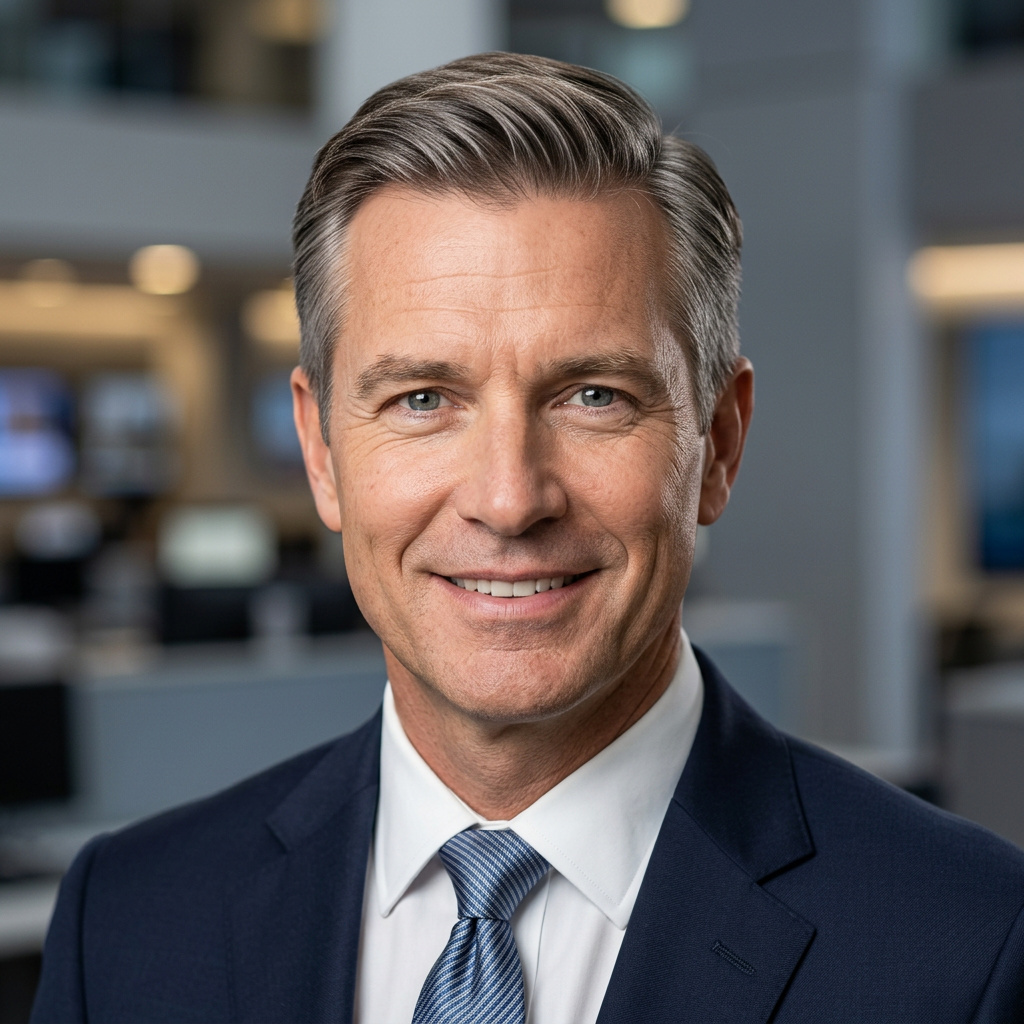
Ray Dalio: Biography, Net Worth, and Principles
There’s a rare breed of Wall Street figure whose inner logic becomes as famous as their net worth. Ray Dalio built Bridgewater Associates from a two-bedroom apartment into the world’s largest hedge fund, then wrote down his rules for living in a way that made him a household name among investors.
Net worth: $19.1 billion (Forbes 2023) ·
Founded: Bridgewater Associates (1975) ·
Born: August 8, 1949 ·
Education: BA, Long Island University; MBA, Harvard Business School ·
Assets under management: $92 billion (Bridgewater) ·
Notable book: Principles: Life and Work
Quick snapshot
- Born 1949, New York (Wikipedia)
- Founded Bridgewater in 1975 (ForbesRichest)
- Net worth $19.1 billion (Forbes 2023 – Forbes profile)
- Author of Principles: Life & Work (ForbesRichest)
- Exact net worth fluctuates daily; Wikipedia’s January 2022 estimate was $20 billion (Forbes) vs. $15.7 billion (Bloomberg) (Wikipedia notes)
- His current role at Bridgewater is less visible since stepping down as CEO in 2017 (ForbesRichest)
- Details of his religious views are inferred from interviews, not official statements (Wikipedia notes)
- Specific philanthropic distribution beyond $1 billion not publicly itemized (Wikipedia notes)
- 1975: Founded Bridgewater (ForbesRichest)
- 2017: Stepped down as CEO (ForbesRichest)
- 2022: Retired as co-CIO (ForbesRichest)
- 2021: Son Paul died in car crash (Wikipedia)
- Dalio sold his full stake in Bridgewater by 2025 (ForbesRichest, low confidence)
- Continued philanthropic focus; donated over $1 billion, signed Giving Pledge (Leaders.com)
- Releasing commentary on global power shifts (The Changing World Order, 2020) (ForbesRichest)
Who Is Ray Dalio?
Ray Dalio is an American investor, hedge fund manager, and author best known as the founder of Bridgewater Associates, one of the world’s largest hedge funds. His journey from a middle-class Long Island neighborhood to a Wall Street titan is a story of discipline, macro bets, and a radical management philosophy.
Early life and education
Raymond Thomas Dalio was born on August 8, 1949, in New York City. He grew up in a middle-class Long Island neighborhood and began playing the markets at age 12, buying shares of a company called Northeast Airlines with money earned caddying (ForbesRichest). He earned a BA from Long Island University and later an MBA from Harvard Business School, where he studied under a cohort of future financial leaders.
Career beginnings at Bridgewater
In 1975, Dalio founded Bridgewater Associates from his two-bedroom apartment in New York. The firm started as an institutional consulting and money management operation, focusing on global macroeconomic trends. Over the decades, Bridgewater grew into what is widely described as the world’s largest hedge fund, managing tens of billions in assets (Wikipedia).
Key achievements and fame
Dalio’s public fame skyrocketed after the 2008 financial crisis, which Bridgewater navigated profitably while many competitors faltered. He stepped down as CEO in 2017 and retired as co-CIO in 2022 (ForbesRichest). His book Principles: Life & Work (2017) became a New York Times bestseller, cementing his status as a management philosopher.
What Is Ray Dalio Famous For?
Dalio’s fame rests on three pillars: a bestselling book, a viral explainer video, and the extreme management culture he built at Bridgewater.
Principles book and management philosophy
Dalio’s book Principles: Life & Work distills his life rules into a framework he calls “radical truth and radical transparency.” The book outlines 365 principles derived from his career and personal experiences. It has sold millions of copies and is widely used in corporate training (ForbesRichest).
Economic machine video and framework
In 2011, Dalio released a 30-minute animated video titled “How the Economic Machine Works.” The video breaks down credit cycles, productivity growth, and deleveraging into simple terms. It has accumulated tens of millions of views on YouTube and is credited by many educators and investors as a clear primer on macroeconomics.
Bridgewater’s radical transparency culture
Bridgewater Associates is famous—and sometimes controversial—for its “idea meritocracy.” Every meeting is recorded, employees are graded on every comment, and brutal honesty is expected. Dalio has said this system was designed to surface errors and biases faster than a traditional hierarchy would allow.
The same radical transparency that made Bridgewater a top performer also led to employee lawsuits and public criticism (Wikipedia) of its intense culture.
The pattern: Dalio’s fame is not just about returns. He brandished his management philosophy as publicly as his market predictions, turning himself into a self-help author and corporate guru.
Is Ray Dalio Richer Than Warren Buffett?
No, but the gap illustrates how two billionaires can build their wealth on fundamentally different strategies.
Eight key differences, one pattern: Buffett built his fortune through long-term equity ownership; Dalio made his through macro trades and fee-based hedge fund management.
| Factor | Ray Dalio | Warren Buffett |
|---|---|---|
| Net worth (2025) | ~$21.5 billion (Wikipedia, June 2026 est.) | $154 billion (Forbes, 2025) |
| Source of wealth | Hedge fund management fees + personal trading | Berkshire Hathaway equity + insurance float |
| Investment style | Global macro (currencies, bonds, commodities) | Value equity (long-term ownership of companies) |
| Views on gold | Bullish: “Gold is the third pillar of a diversified portfolio” | Skeptical: “Gold doesn’t produce earnings” |
| Views on cash | Sometimes favors cash during deleveraging cycles | Cash is a last resort; prefers equities |
| Key firm | Bridgewater Associates | Berkshire Hathaway |
| Retired? | Stepped down as CEO 2017; co-CIO 2022 | Retired as CEO Dec 2025 (Forbes) |
| Philanthropy | Signed Giving Pledge; donated >$1 billion (Leaders.com) | Giving Pledge; donated >$50 billion to Gates Foundation |
The trade-off: Buffett’s equity compounding has generated roughly 7× Dalio’s net worth over similar decades. But Dalio’s higher risk-adjusted returns during downturns made him the safer bet for institutional investors seeking diversification.
“Gold is the third pillar of a diversified portfolio, alongside equities and bonds.”
— Ray Dalio, multiple interviews
“Gold gets dug out of the ground in Africa, then we melt it down, dig another hole, bury it again, and pay people to guard it.”
What Are Ray Dalio’s Ethnicity and Religion?
Ethnic background: Italian-American
Dalio is of Italian descent. His father was Italian, and his mother was Italian-American. He grew up in a family that valued hard work but did not have extraordinary wealth—a background he cites frequently in interviews as formative (ForbesRichest).
Religious views: secular / spiritual
Dalio has described himself as “spiritual but not religious.” He practices Transcendental Meditation daily and credits it with improving his decision-making and creativity. He has stated he does not belong to an organized religion but respects all traditions that seek truth and connection (Wikipedia).
Why this matters: Dalio’s emphasis on meditation and open-mindedness has become a piece of his public brand—part of the “principles” toolkit he teaches to aspiring leaders.
What Happened to Ray Dalio’s Son?
On September 26, 2021, Ray Dalio’s son Paul Dalio died in a car crash at age 42. Ray Dalio confirmed the death on social media, writing a heartfelt statement about his son’s life and the family’s grief. The family requested privacy during their mourning period (Wikipedia).
The catch: Paul Dalio’s death was a sharp personal tragedy for a man whose public life is defined by control and rational discipline. In the statement, Dalio acknowledged that “there are some things that are beyond principles.”
Dalio’s later philanthropy and public writing increasingly touch on mortality and legacy. His 2022 changes at Bridgewater—ceding control gradually—may reflect a man consciously shaping his own succession.
The personal loss deepened Dalio’s focus on philanthropic legacy and succession planning.
Ray Dalio Timeline
- 1949 — Born in New York City (Wikipedia)
- 1975 — Founded Bridgewater Associates from his apartment (ForbesRichest)
- 1980s — Bridgewater grows through macro research and currency trading
- 2008 — Predicts the financial crisis; Bridgewater posts positive returns
- 2011 — Releases “How the Economic Machine Works” video
- 2017 — Steps down as CEO of Bridgewater (ForbesRichest)
- 2020 — Publishes The Changing World Order on global power shifts
- 2021 — Son Paul Dalio dies in a car crash (Wikipedia)
- 2022 — Retires as co-CIO of Bridgewater (ForbesRichest)
- 2025 — Reportedly sold off full stake in Bridgewater (ForbesRichest, low confidence)
What’s Confirmed vs. Unclear
Confirmed facts
- Founded Bridgewater Associates in 1975 (Wikipedia)
- Net worth ~$19.1 billion (Forbes, 2023) – see unclear for fluctuation
- Of Italian descent (ForbesRichest)
- Son Paul died in car crash in 2021 (Wikipedia)
- Stepped down as CEO in 2017 (ForbesRichest)
- Donated >$1 billion; signed Giving Pledge (Leaders.com)
What’s unclear
- Exact net worth fluctuates daily; conflicting Bloomberg vs. Forbes estimates in 2022
- Current involvement in Bridgewater daily operations (sold stake by 2025—low confidence)
- Specific religious affiliation beyond “spiritual”
- Full details of his portfolio allocation at any given moment
- Exact philanthropic distribution beyond $1 billion not publicly itemized
en.wikipedia.org, forbes.com, australianbrief.org, forbes.com, x.com, forbes.com, bangka.tribunnews.com, forbes.com
Frequently asked questions
What is Ray Dalio’s investment philosophy?
Dalio practices global macro investing, betting on broad economic trends in currencies, bonds, and commodities. He advocates for a “all-weather” portfolio diversified across asset classes (Wikipedia).
How did Ray Dalio become a billionaire?
He founded Bridgewater Associates in 1975 and grew it into the world’s largest hedge fund. His wealth comes from management fees and personal trading profits over 45 years (ForbesRichest).
Does Ray Dalio still manage Bridgewater?
He stepped down as CEO in 2017 and retired as co-CIO in 2022. He reportedly sold his full stake in the firm by 2025 (ForbesRichest, low confidence).
What is the main lesson from Ray Dalio’s book Principles?
The central lesson is to embrace radical truth and radical transparency: surface every error, assign blame to the process, and build systems that correct themselves over time.
How does Ray Dalio’s net worth compare to other billionaires?
His ~$21.5 billion (Wikipedia, 2026 est.) places him well below Warren Buffett’s ~$154 billion (Forbes, 2025) and behind top tech billionaires, but he was the second-wealthiest hedge fund manager in 2015, behind George Soros (Wikipedia).
What is Bridgewater Associates known for?
Bridgewater is known for its global macro strategy, “radical transparency” workplace culture, and being one of the largest hedge funds in the world by assets under management (Wikipedia).
Is Ray Dalio religious?
He describes himself as “spiritual but not religious.” He practices Transcendental Meditation and respects various spiritual traditions but does not belong to an organized religion (Wikipedia).
What ethnicity is Ray Dalio?
He is of Italian descent. His father was Italian, and his mother was Italian-American (ForbesRichest).
Why does Ray Dalio invest in gold?
Dalio sees gold as a hedge against currency debasement and a third pillar of a balanced portfolio, alongside equities and bonds. He has called it a “timeless store of value.”
For the investor looking to understand Dalio’s legacy, the choice is not between following him or Buffett—it’s about understanding what each approach compensates for. Dalio’s macro framework protects against the tail risks Buffett’s long-term equity bets cannot hedge. The implication: own both philosophies, but never confuse a position on gold with a position on value.
More related posts
 Menu de Le Violon: English Guide, Prices, Dress Code Montréal
 Justin Bieber: Health, Debt, and Tour Status Update 2025
 Derek Jeter Net Worth, Kids, Wife & Career Stats
 Vladimir Guerrero Sr: Career, Family, and Hall of Fame
 Shane Gillis: SNL Firing, Netflix Special, Relationship Split
 Rupert Murdoch: Media Empire, Net Worth, and Succession
 CDN to MXN: Convert Canadian Dollars to Mexican Pesos
 Dave Mustaine: Cancer, Sobriety, Metallica to Megadeth